Amazon Review
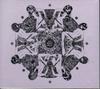
This is their major-label debut album, released in 1998. With Ichiro Shibata on drums, the overall sound is tighter and more refined, with each instrument sounding fuller and dramatically more dynamic. In terms of songwriting, the lyrics establish a unique, imaginative world, while the melodies gain a stronger, more catchy, J-pop-esque quality, resulting in an extremely polished album.
While it's full of representative tracks, the deep highlights, particularly towards the end—from the strangely trippy boogie number "3x3x3" to "EVIL CAR," where lyrics embodying a desire for escape and a blazing guitar solo are brilliantly fused—can be considered one of their pinnacles. This is undoubtedly their masterpiece and a masterpiece of Japanese psychedelic rock. (Mamoru Koyama)
Other Media Reviews
Their style is excellent, combining the simple, straightforward, and robust sound characteristic of a three-piece R&R band with the wavering, floating feeling suggested by their band name. The way they push the meter to its limits is bold. The fact that they don't include anything unnecessary also shows their skill and expertise.
- Content (from "CD Journal" database)
Yura Yura Teikoku, a band with an overwhelming presence among the many bands that appear in live houses, is a band with a long history of activity. They have already released four albums on indie labels and have participated in many compilation albums. Their appearance and somewhat psychedelic and heavy sound suggest they have absorbed 70s music, but it's not just a simple rehash; there's a definite originality. This might be due to the catchy yet somewhat melancholic melodies and Sakamoto's powerful yet understated singing style. But above all, it's the lyrics. They don't directly sing about love or life's troubles that everyone can relate to. Also, instead of aiming for metaphors with fancy English or difficult Japanese, they choose very simple words. That's why the unique color palette of the scenery and the strange tactile sensations related to the body easily evoke horror imagery that, in a way, strikes at the very essence of rock music. The feeling that lingers in the mind is somewhat reminiscent of Shuji Terayama's aesthetic. (Mayumi Yamada) --- April 1998 issue -- Contents (from "CD Journal Review")


 Geld zurück bei Nichtlieferung