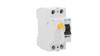
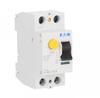
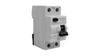
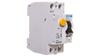
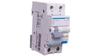
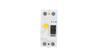
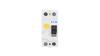
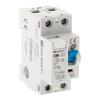
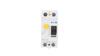
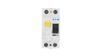
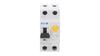
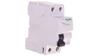
Residual Current Device 40A 30mA AC 2P
A residual current device is a protective device used in electrical installations that protects against electric shock by detecting insulation leaks in electrical circuits. It works by comparing the electric current in two wires – the live and neutral – running through the circuit. Under normal conditions, the current in both wires should be equal. In the event of an insulation leak, i.e., a current leak to earth, the current in the wires becomes unequal, which causes the residual current device to trip and interrupt the circuit.
A differential circuit breaker is used in various electrical systems, particularly those with a high risk of electric shock, such as installations in wet rooms, near machinery, in industrial plants, and in rooms where people work directly with electrical equipment. It is a mandatory device in electrical installations in residential and public buildings, as required by building regulations. It is also used in industrial and agricultural installations.
EVOV2P4003 40 30
A differential circuit breaker is essential for ensuring electrical safety in installations, as it prevents accidents and provides protection against electric shock.
Technical specifications:
Rated voltage: 230 V
Rated current: 40 A
Rated insulation voltage Ui: 500 V
Rated impulse withstand voltage Uimp: 4 kV
Mounting: DIN rail
Sensitivity: AC
Selective protection: No
Short-circuit withstand strength (Icw): 6 kA
Voltage type: AC
Frequency: 50 Hz
Possibility of additional equipment: No
Ingress protection (IP): IP20
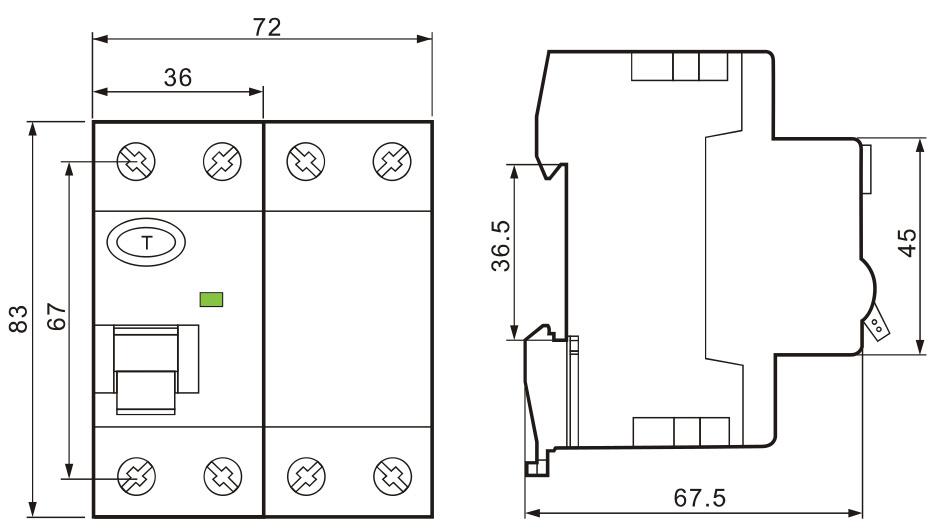
Width expressed in number of modules: 2
Ambient temperature during operation: - 25 - 55 °C
Connectable solid wire cross-section: 2.5 - 25 mm²



 Geld zurück bei Nichtlieferung